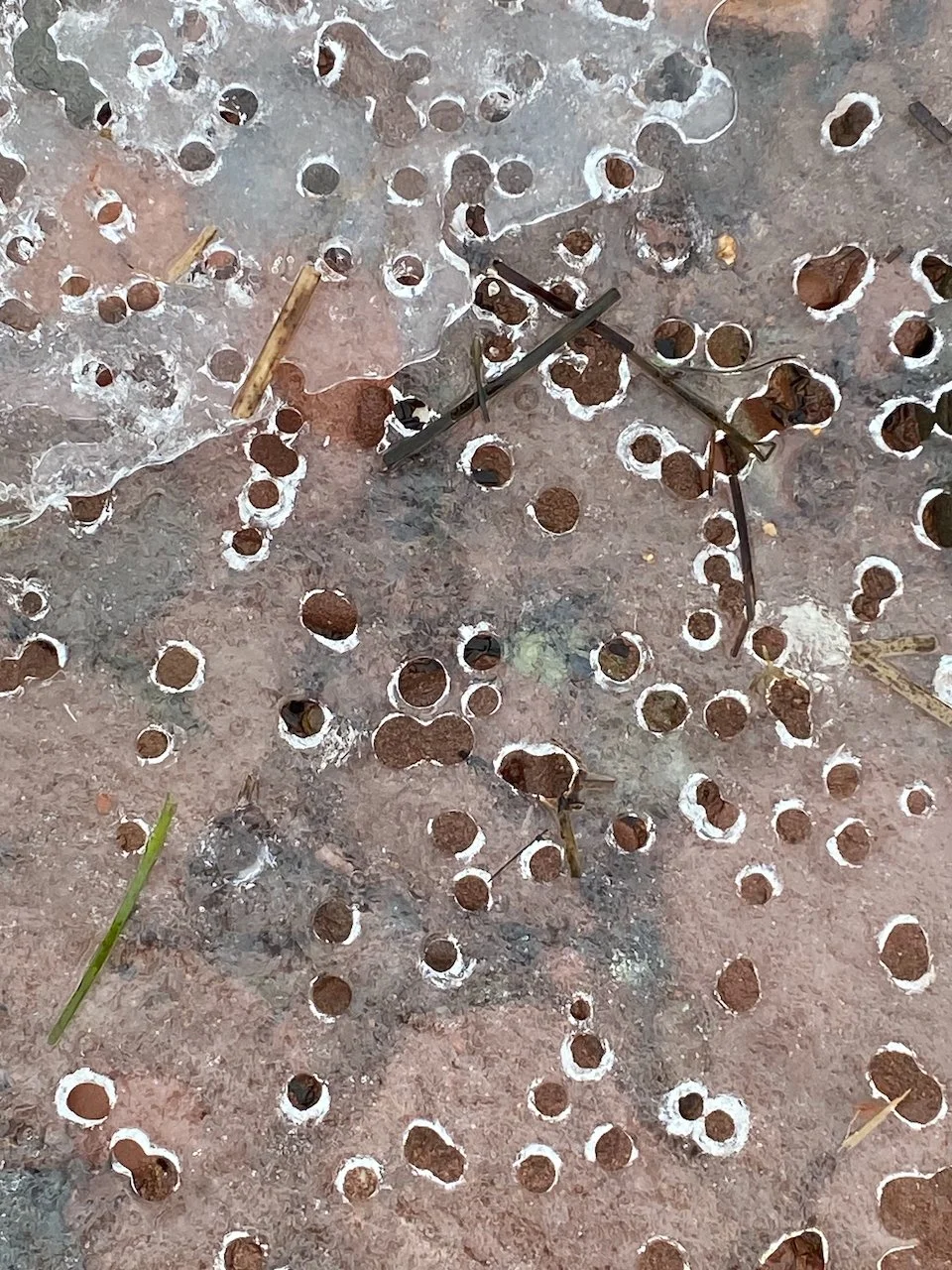
Slowing Down to See: Finding Pattern in the Everyday
We live in a world of constant motion. We move from A to B, check notifications in between, answer emails while crossing the street, and fall asleep to the glow of a screen. It’s no wonder so many of us feel disconnected — from one another, from our surroundings, even from ourselves.
What if the antidote was something simple?
Pattern.
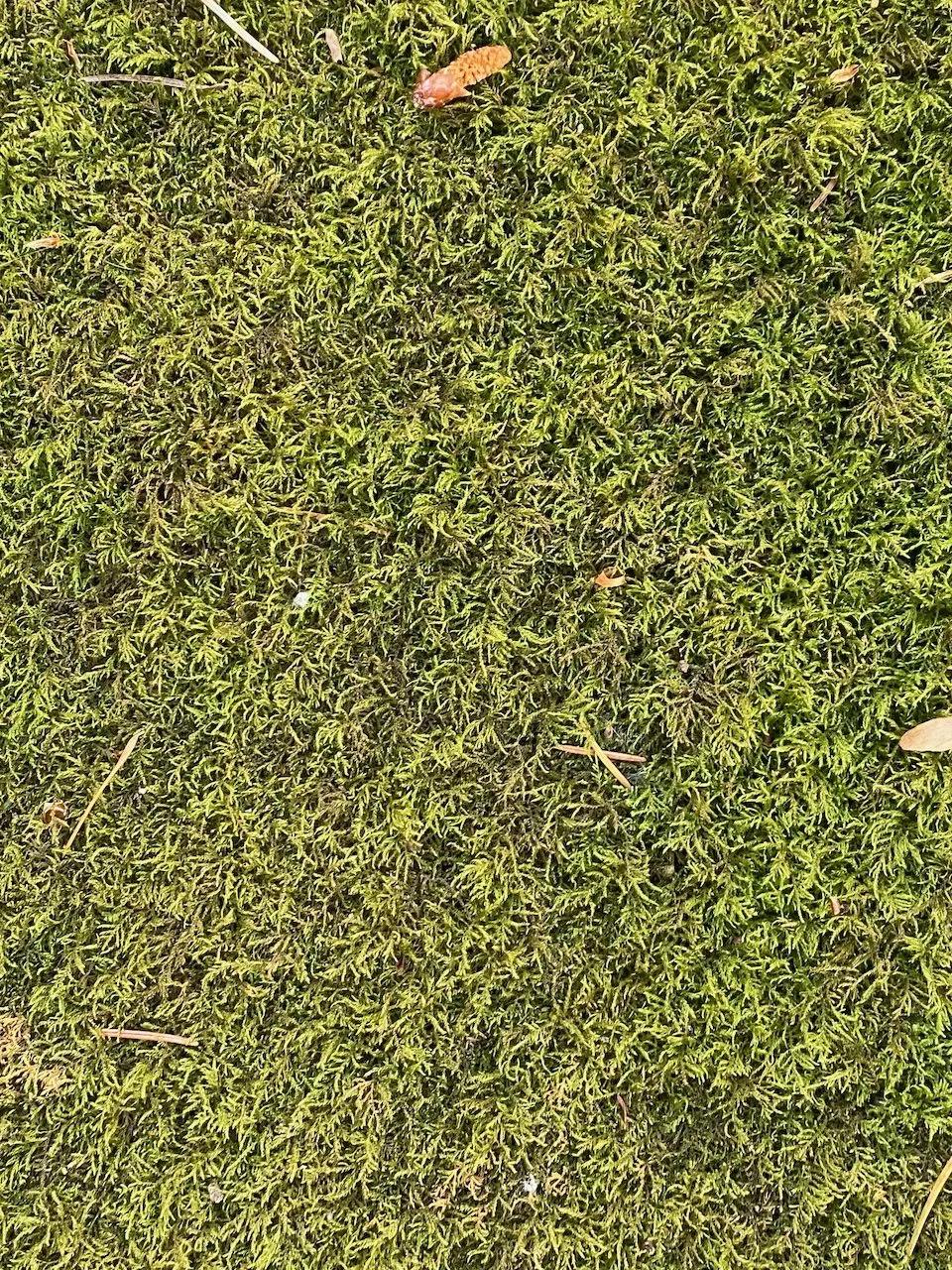
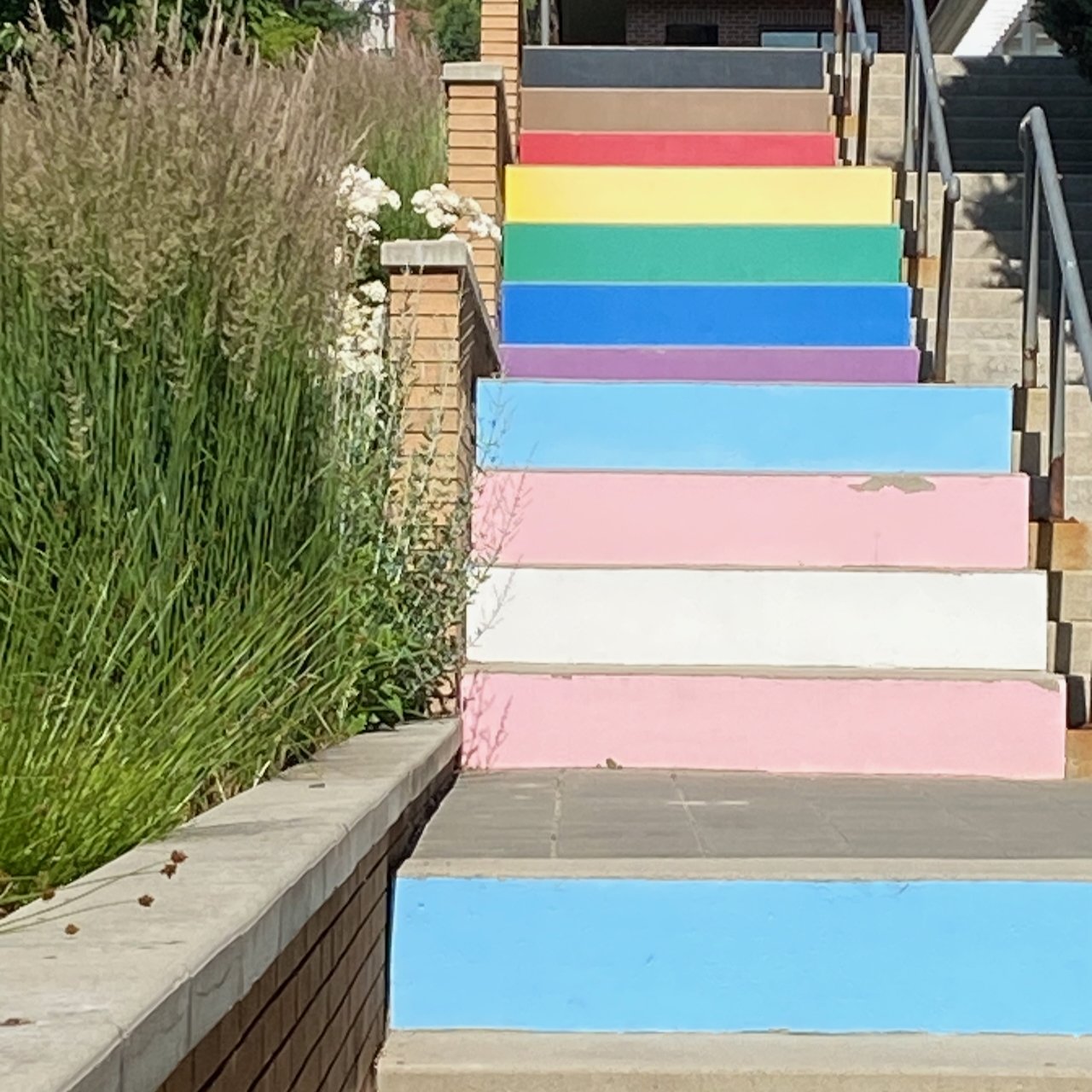
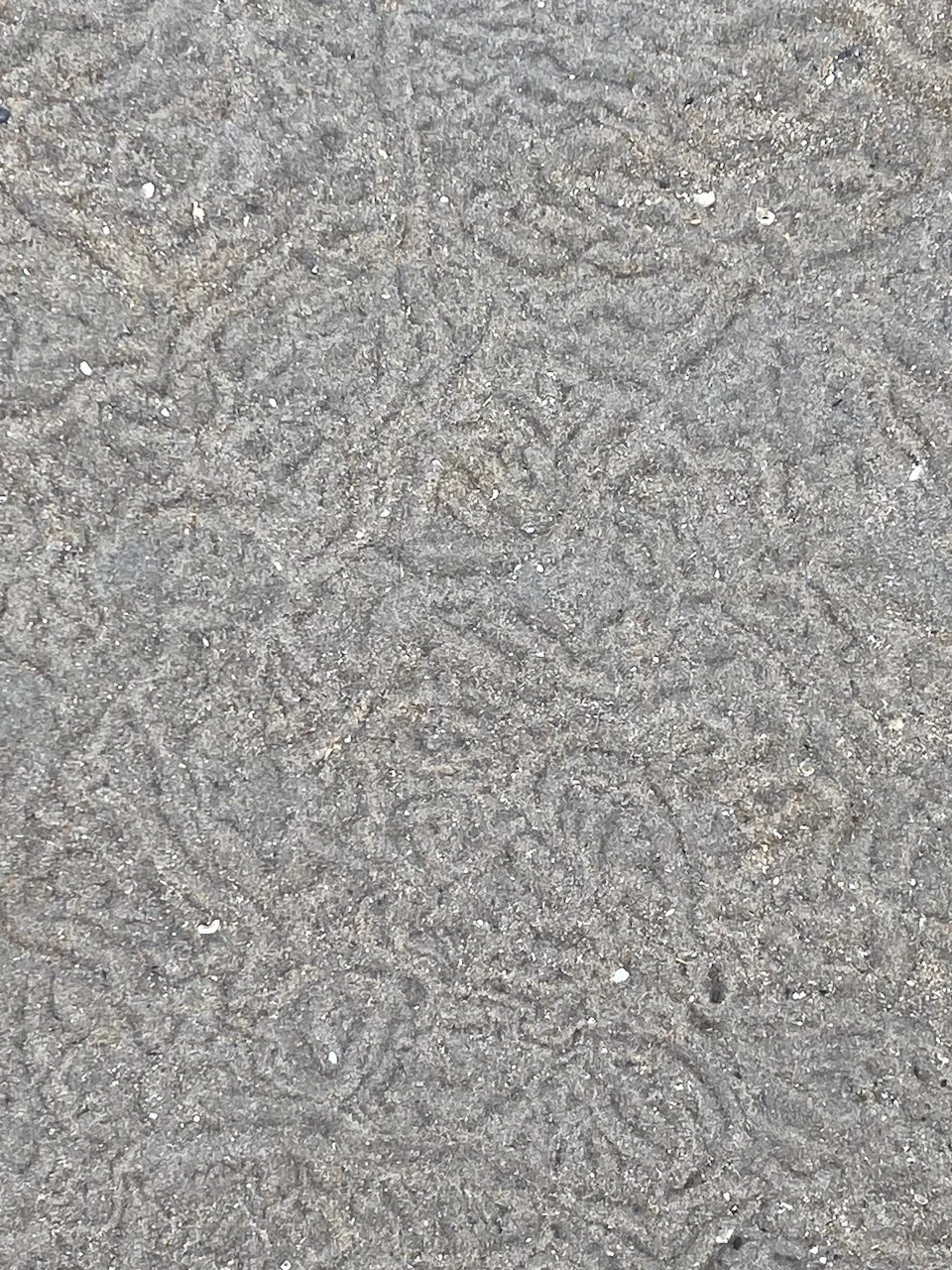
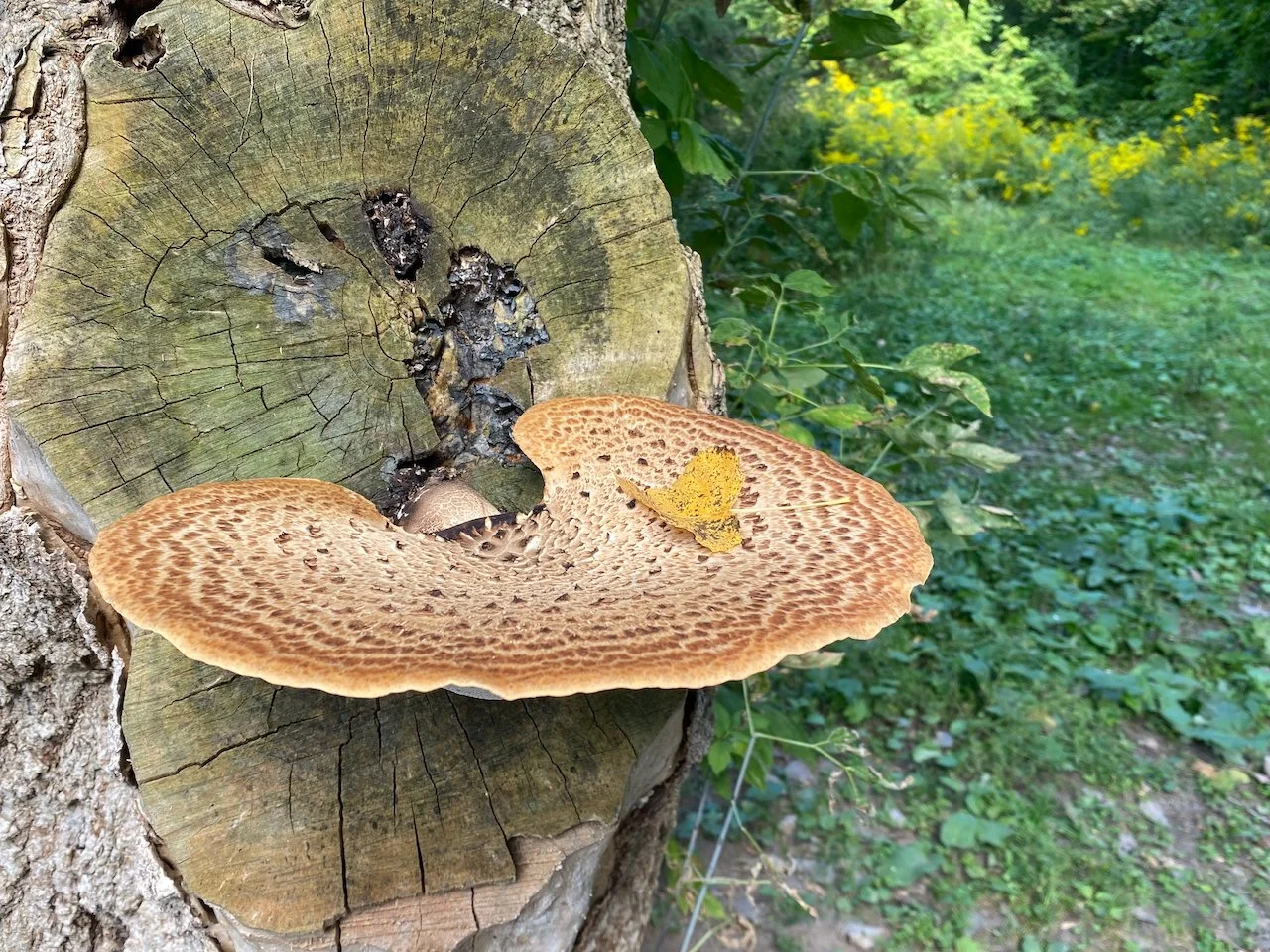
Not just the kind on fabric or wallpaper, but the pattern woven into daily life — brickwork, sidewalks, shadows, leaves, windows, floor tiles. When we begin to notice repetition, rhythm, and small details, we begin to see differently. We find magnificence in the mundane.
My first experience with this shift happened more than two decades ago. My art teacher, Faye Pike, told me to slow down and watch the clouds. Really watch them. Notice their movement, their layers, their shapes forming and dissolving. I haven’t looked at a cloud formation the same way since.
I should have taken the hint that I need to slow down more when my mother gave me the book “In Praise of Slow: How a Worldwide Movement Is Challenging the Cult of Speed” by Carl Honoré over a decade ago. The book argues that deliberate slowness fosters better health, creativity, and joy, proving that doing things at the right tempo often yields superior results. I think both Carl Honoré and my mom were onto something. Ever since I’ve been putting an effort to slow down and take in my surroundings I’ve enjoyed the little things in life more - the colours on a subway platform or reflections in a lake. I used to pass these spaces without a second glance missing the subtle colours, geometry or texture. Now I soak it all in.
Does being more mindful make us happier and healthier? Increasingly, research suggests yes. But even without the science, we know how it feels to truly see something — and to be moved by it.
Pattern invites a new way of seeing.
A slower way.
A more connected way.
Today, pause. Look around. Find one small repeating detail. Let yourself be surprised.
Wonder lives in the everyday.