
Leveling Up My Product Photos
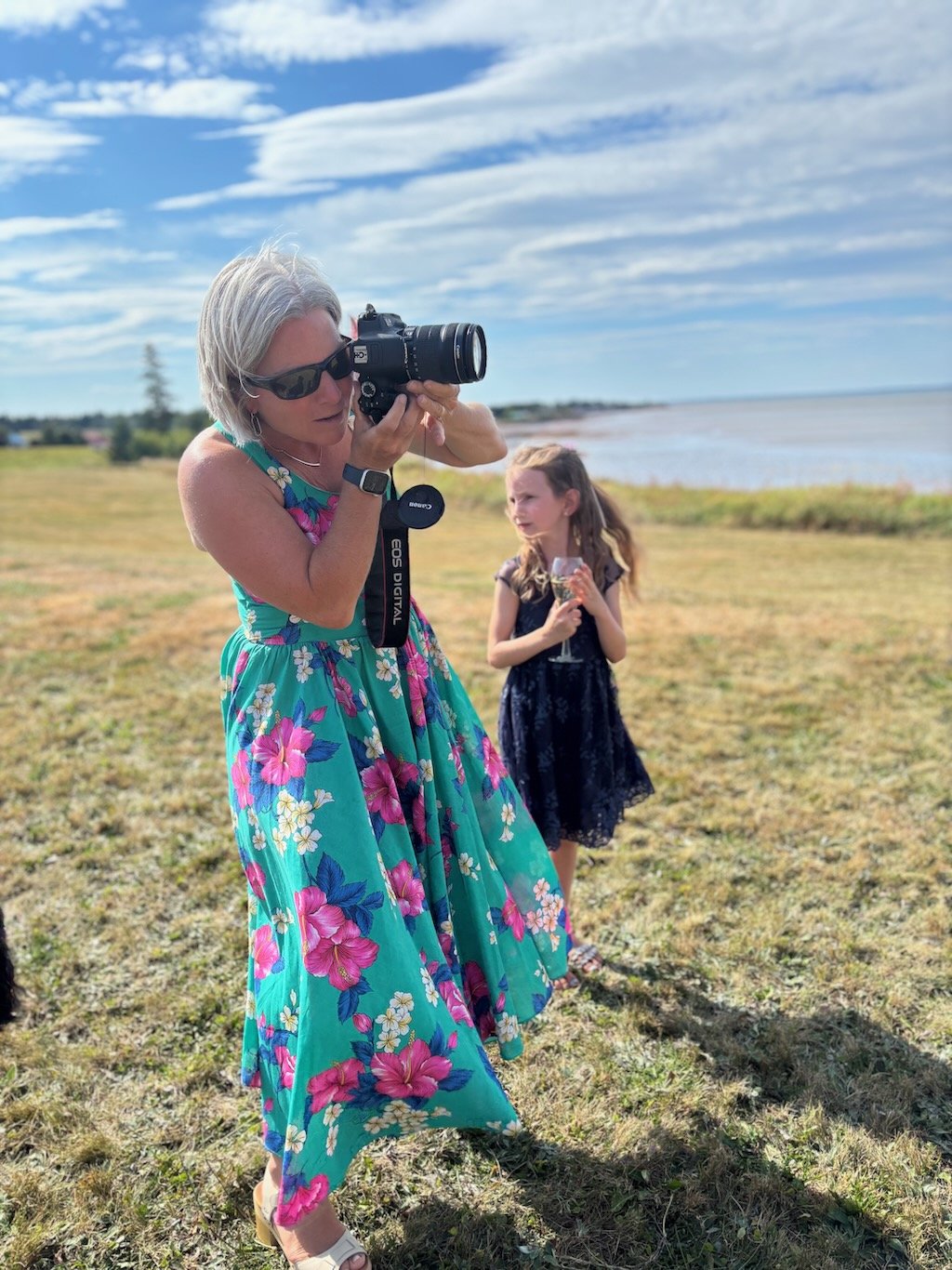
I’ve always loved taking photos. On family trips or at sporting events, I was the one with the DSLR and zoom lens, snapping pictures at every opportunity. Since starting Sunset Patterns, my camera roll has shifted from kids and crowds to flowers, animals, and even close ups of sporting equipment. In spring, my kids dread going for walks with me because I stop to photograph every blooming flower from twelve different angles. They’re ready to move on long before I am, but I can’t resist trying to capture that perfect mix of colour and light.
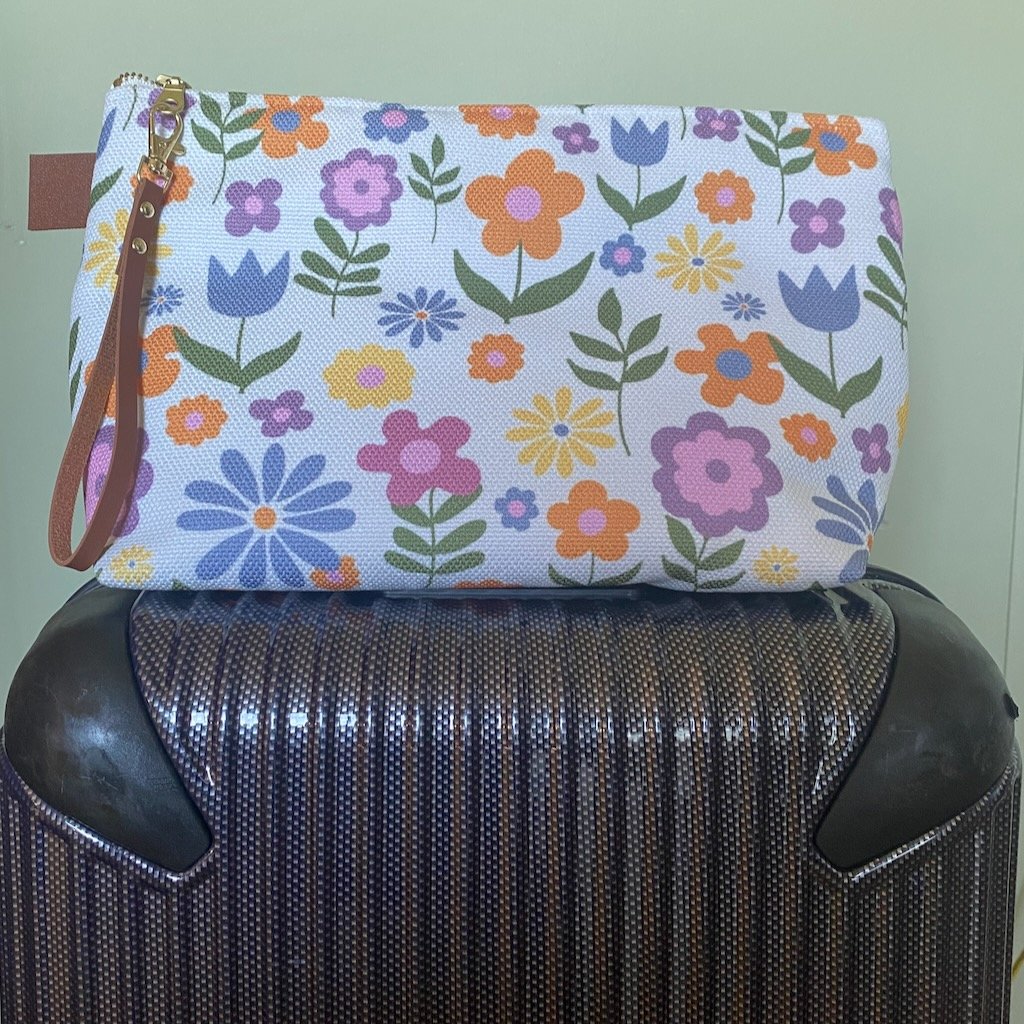
Product photos, though, have always been more challenging. I’ve never been able to photograph food in a way that truly captures the magic of the moment, and for a long time the same was true of my Sunset Patterns product photos. I realized early on that high-quality product photography is essential for online customers. They can’t hold my products in their hands, feel the fabric, or see the vibrancy of the colours in person—so all of that has to come through in a single image.
Some of my early product photos were… less than inspiring. Flat, a bit dull, and definitely in need of improvement.
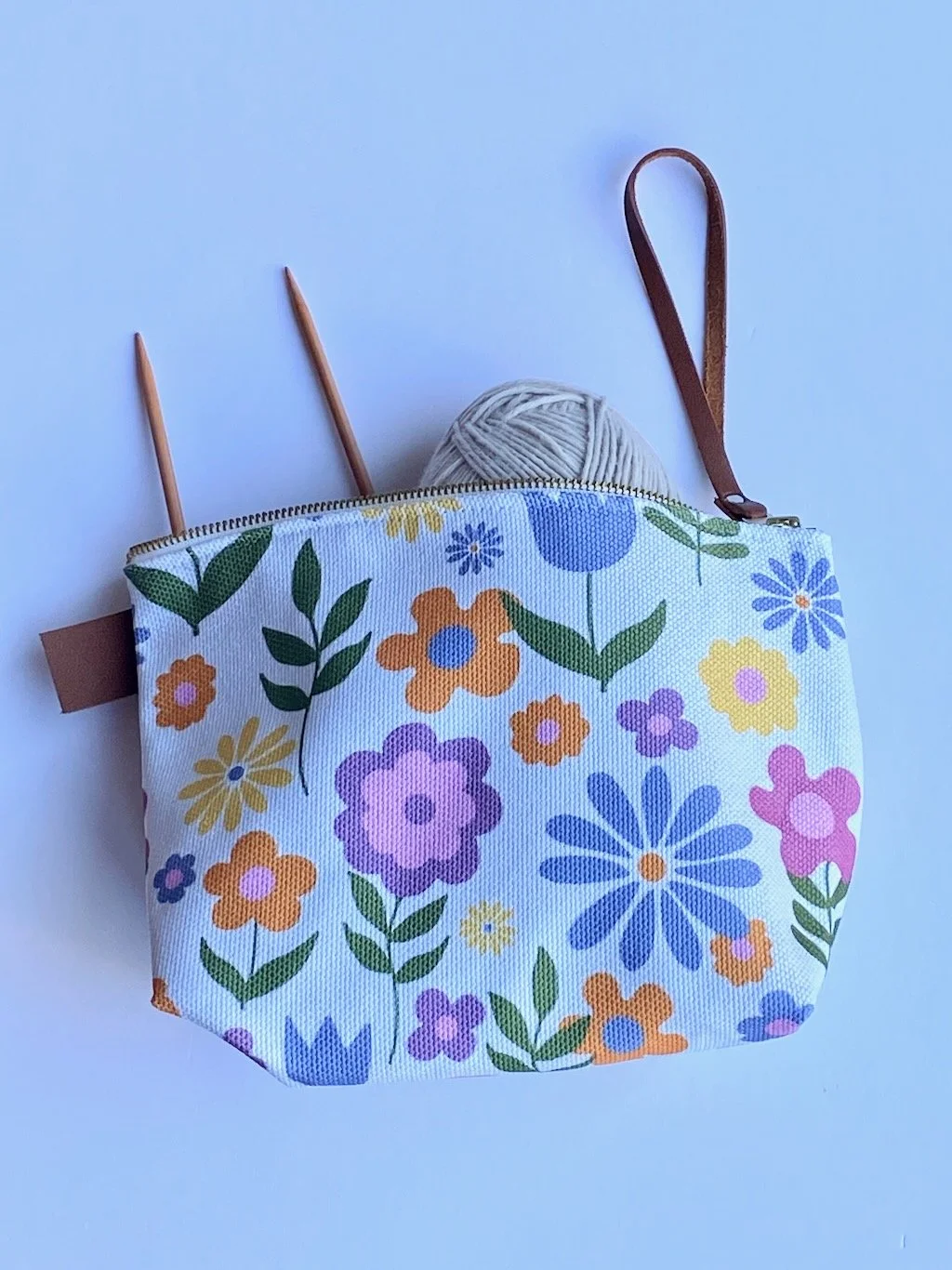
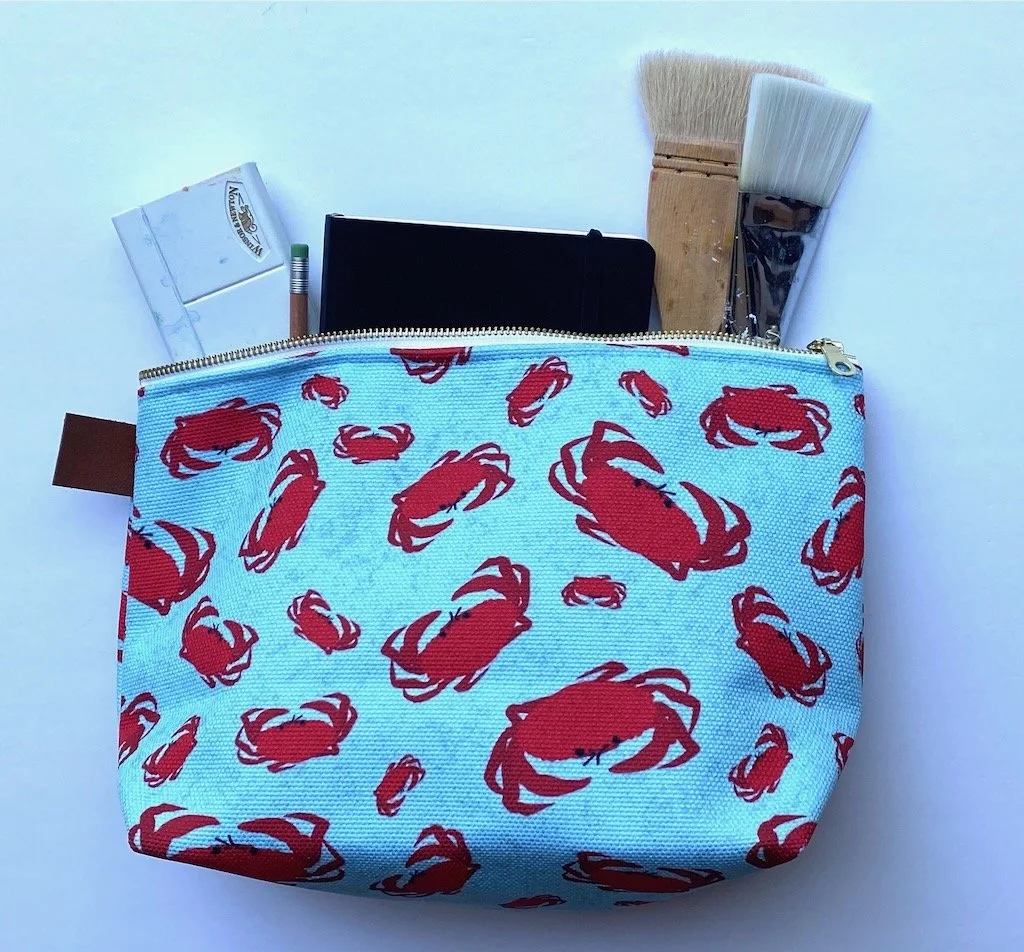
Over the past while, I’ve been working hard to level up my images. I’m late to the game in truly understanding how important natural light is. I’ve now claimed a bright spot by my back window as my mini product photo studio. It works beautifully for many items, but tea towels have been a bit more complicated. We use them in the kitchen, of course, and my kitchen sits in the middle of the house with very little natural light. The solution? I’ll be packing up a stack of tea towels and heading to a well-lit kitchen for a proper photo shoot. Stay tuned.
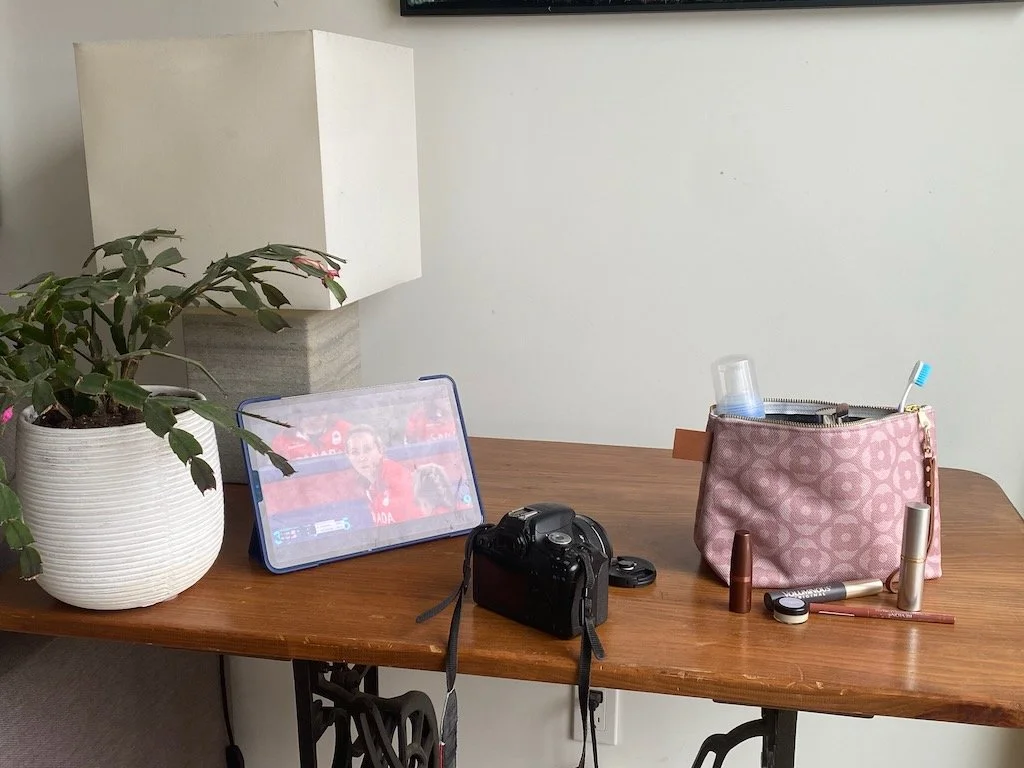
I’ve also learned how important context is in product photos. How will someone actually use this item? Customers need to be able to imagine your project bag full of yarn, your tea towel drying their dishes, or your pillow cover brightening up their couch. A bit of styling goes a long way in helping them see the product in their own home.
And finally: preparation matters. I’ve tried to skip steps and photograph duvet covers straight out of the package, without ironing, and the results were… wrinkled, at best. Most of us don’t iron our duvet covers in real life, but for photos it makes a huge difference. Taking the time to steam, press, and tidy each piece helps the final images look crisp, intentional, and professional.
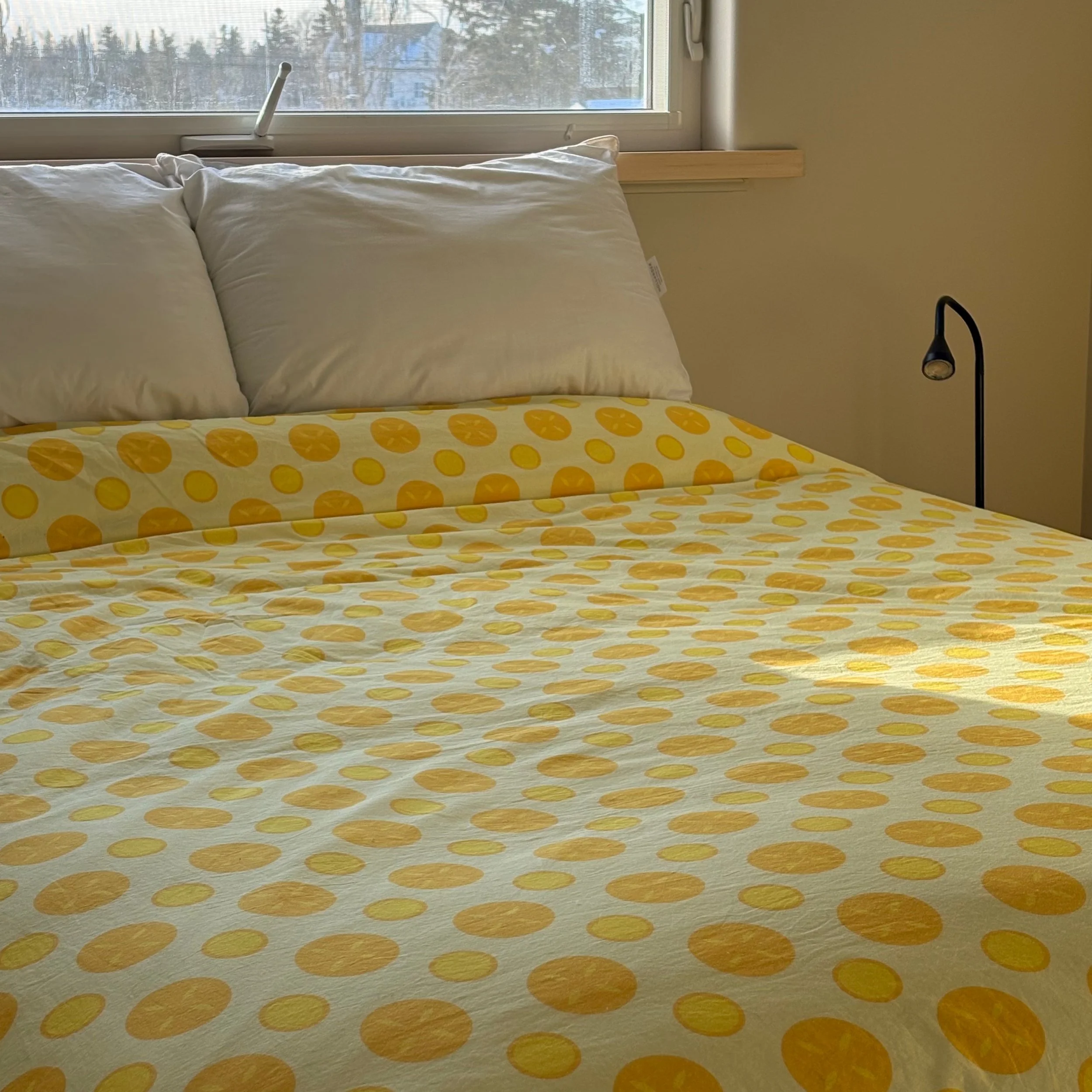
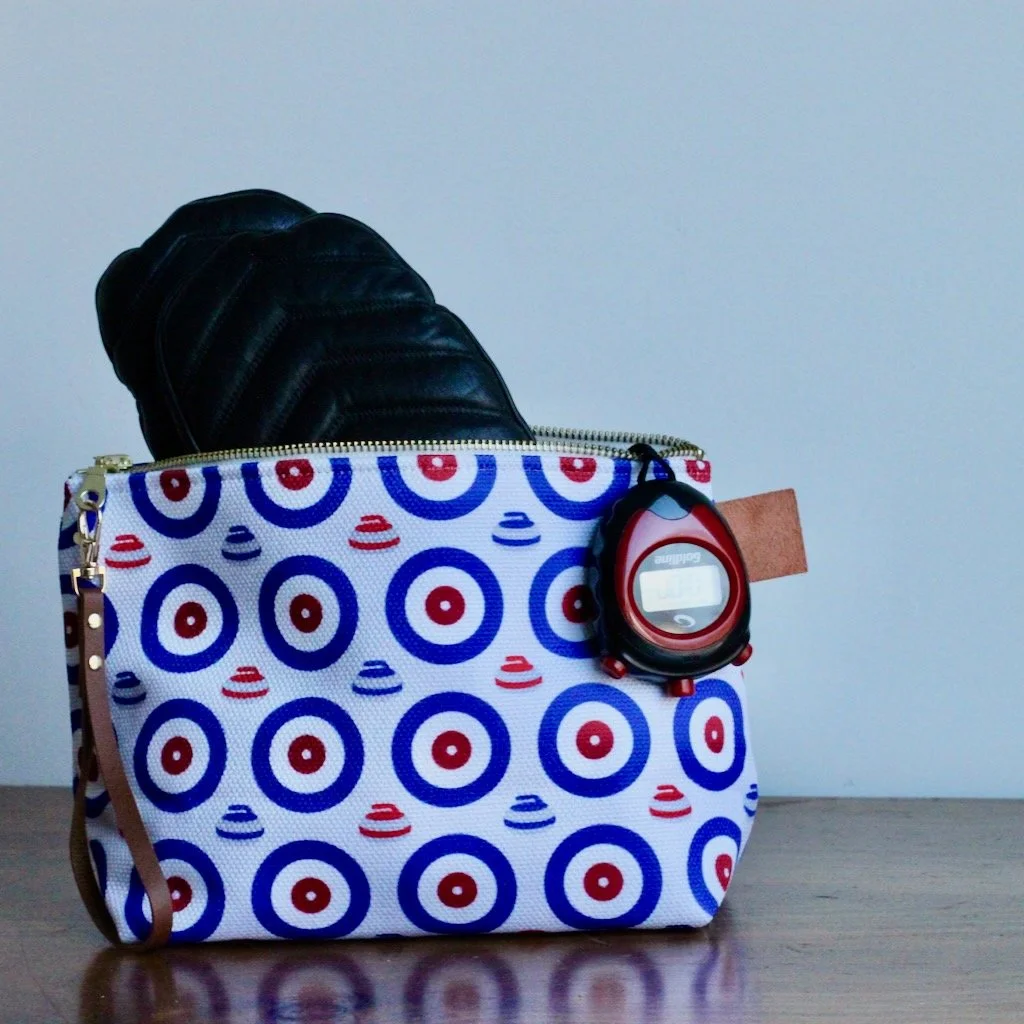
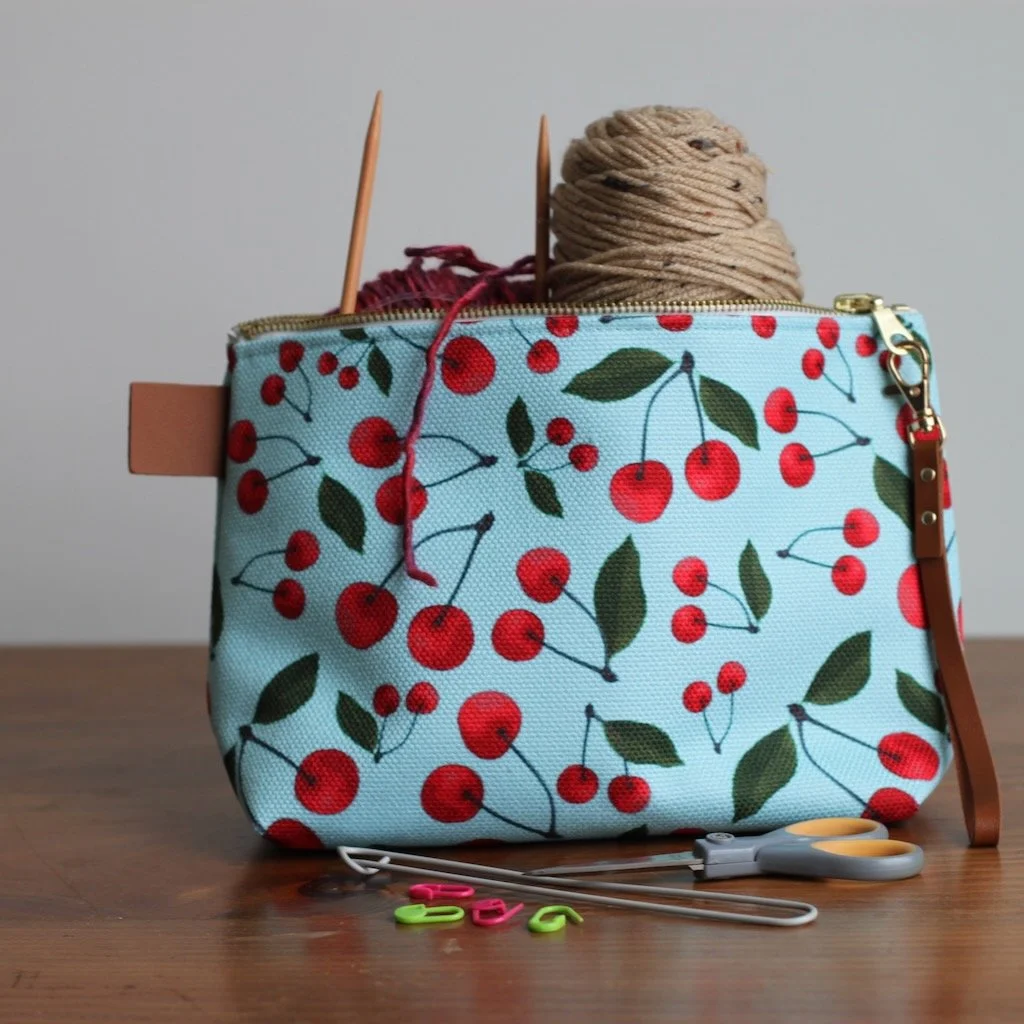
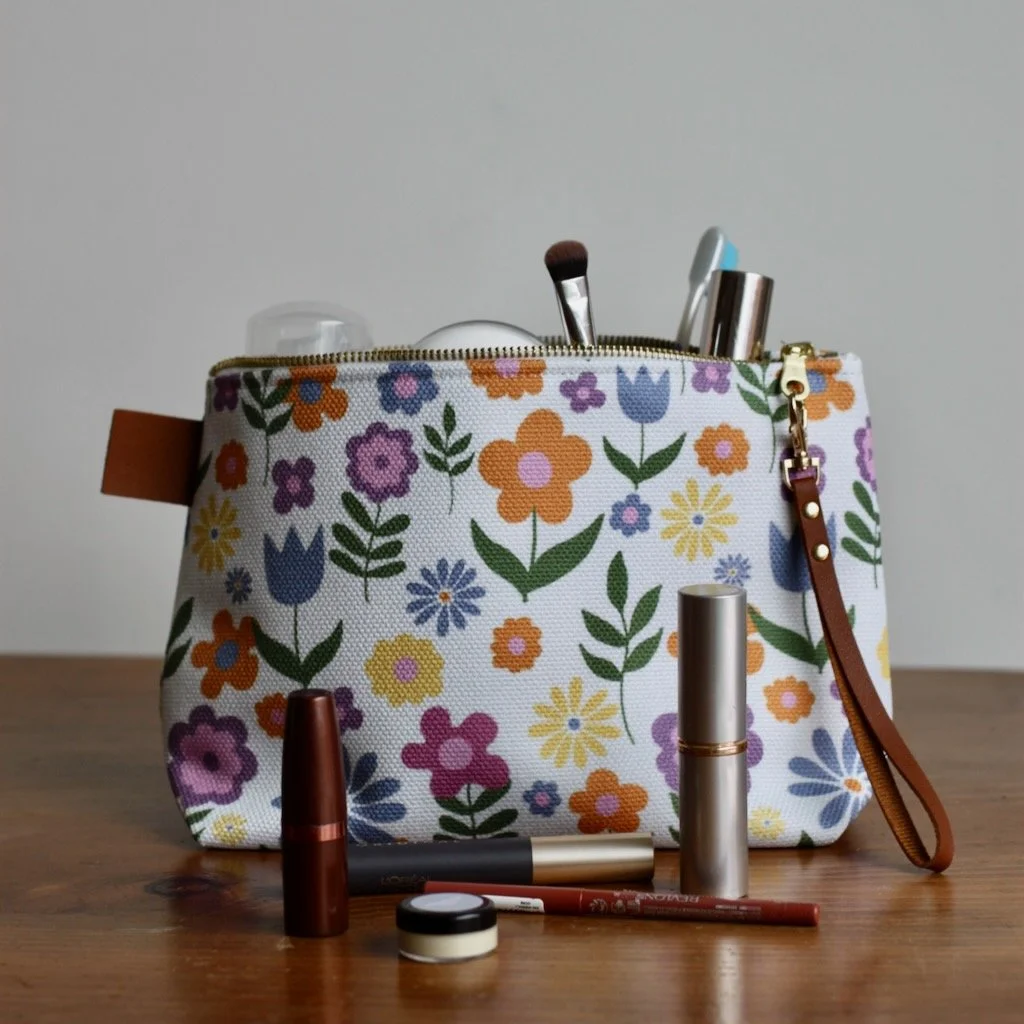
I’m still learning, but I can already see how better photos help my products tell their own story. If you’re curious to see the latest results, you can visit my shop to see how these images are starting to come to life.